
 התחברות



 Utilities
 The “My Colorful Day” kit is designed to help children and their families plan their day in an easy, clear and fun way.
The “My Colorful Day” kit is designed to help children and their families plan their day in an easy, clear and fun way.

The importance of physical activity in children with cerebral palsy: principles for planning and guidelines for adapted activity.

Exposure to war poses challenges that are magnified when it comes to children with developmental disabilities.
Remote treatment in the field of child development, which began as a constraint in Corona, has become a treatment standard – but experts are divided on its advantages and disadvantages.
Sleep and autism: The link between sleep quality and improved functioning.
The connection and differences between autism and attention deficit disorder: the challenges of diagnosis and intervention.
Occupational therapy in prematurity: supporting premature babies and their parents in a unique medical environment.

The importance of a multi-systemic approach to treating attention deficit disorder, including combining different treatments.
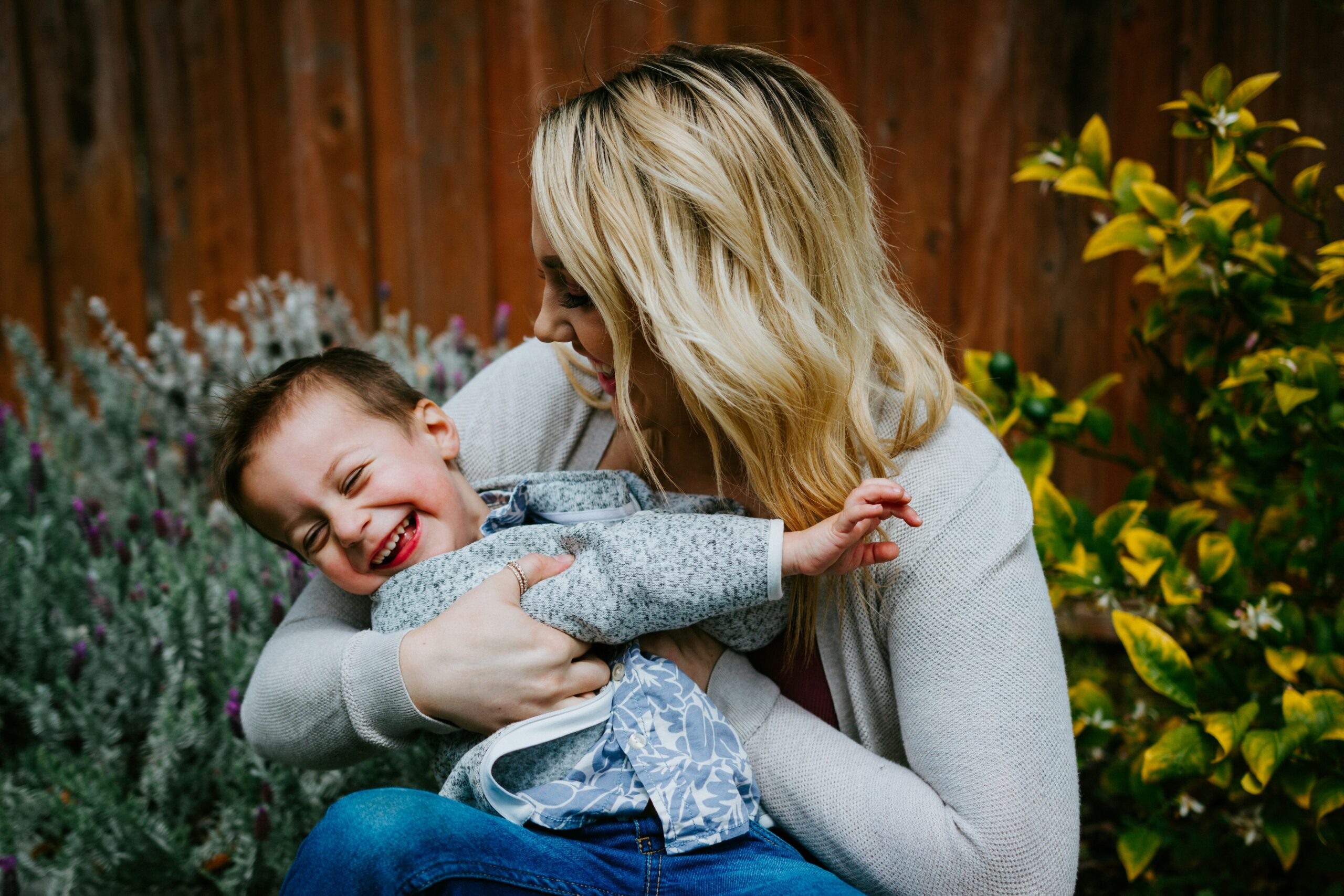
A guide for parents: Understanding the types of seizures in children and how to deal with emergencies.

Prof. Gal Dubnov-Raz, head of the National Institute of Sports at Sheba Medical Center, Tel Hashomer, explains how to get children up off the couch in the age of screens.

A collaborative process between caregivers and the family to create a personalized treatment plan to improve the child’s functioning.
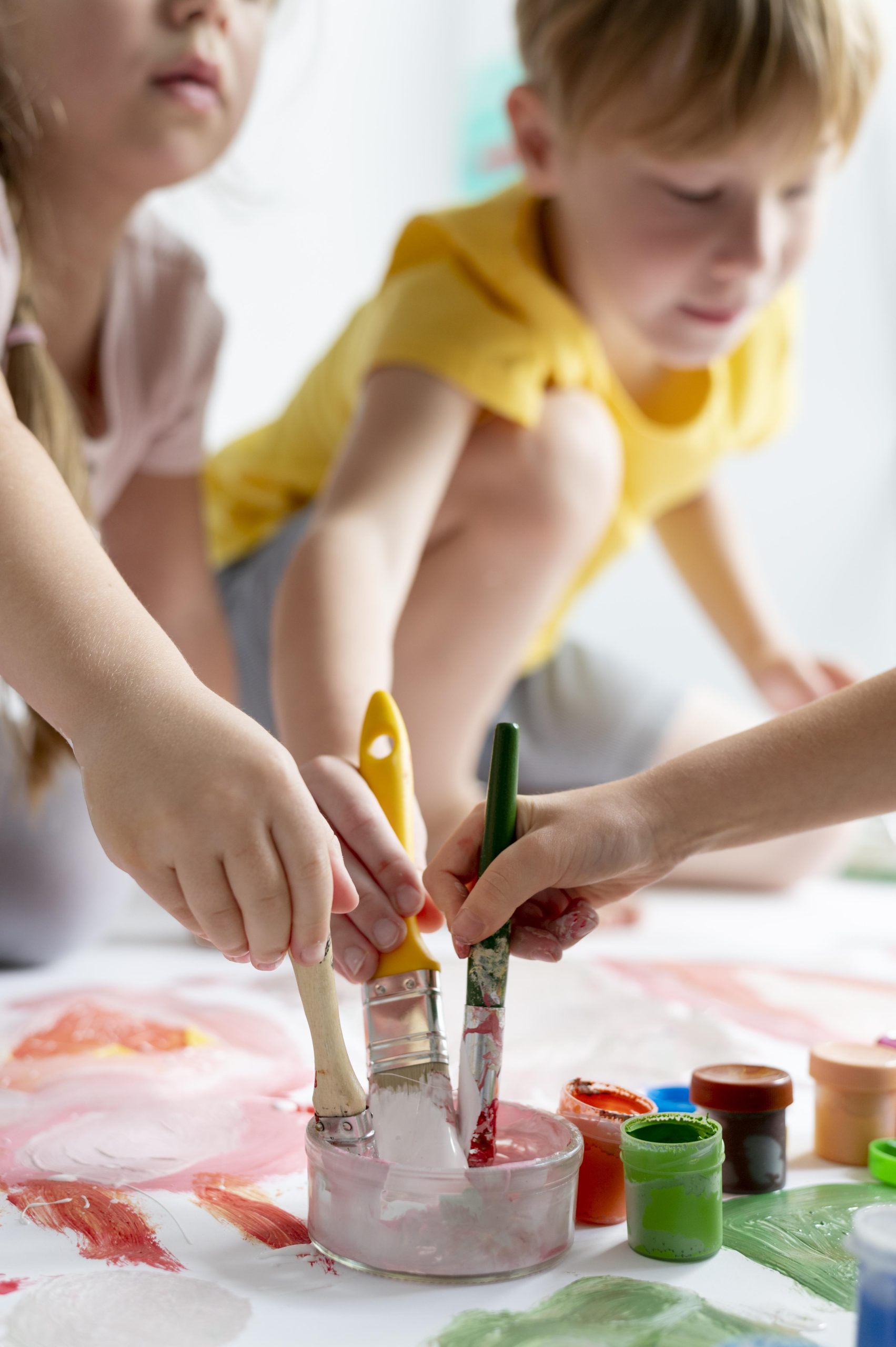
Tongue walking in children is usually a developmental phase that passes, or a habit that does not require intervention. If toe walking does not go away or worsens, it is important to seek evaluation by a medical team to rule out conditions that require treatment.
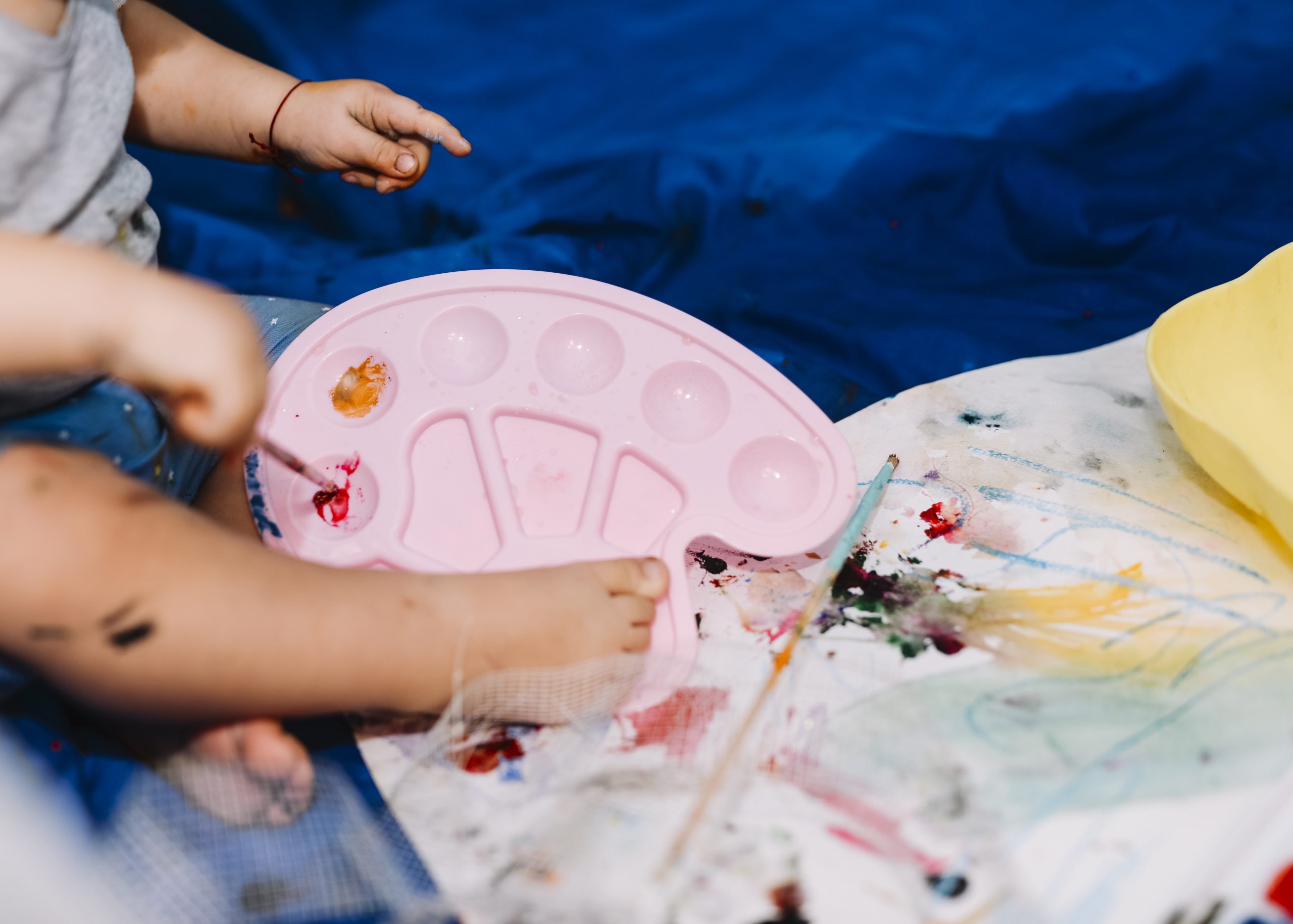
How do genetics and environment together influence children’s development? A dynamic theory to explain the relationship between genetics, environment, and learning.
 Articles
  Podcasts
  Videos